








Digital trading has changed the way market participants research opportunities, monitor price movements, and manage positions. Instead of relying on scattered information, traders can use online investment platforms to bring charts, market data, analysis tools, and execution features into one environment. The right digital tools do more than display prices; they can help traders organise information and make decisions with greater clarity.
However, having access to many tools does not automatically lead to better decisions. Traders need to understand what each feature offers, how different signals connect, and where technology fits into a disciplined process. Exploring the most useful digital trading tools can make market research more focused and create a smoother path from analysis to execution.
Market Data Tools for Clearer Trading Insights
Reliable market information forms the foundation of informed trading. Price quotes, economic developments, and asset-specific information help traders understand the conditions surrounding a potential opportunity. A strong digital trading environment brings relevant information together, reducing the need to switch constantly between unrelated sources.
Real-time pricing is useful when markets are moving quickly. Traders can observe changes in bid and ask prices, track developing momentum, and compare movements. Historical data also provides context by letting traders review past price behaviour and identify recurring patterns. Used together, these resources can help transform raw market information into a more organised view.
Charting Features That Strengthen Market Analysis
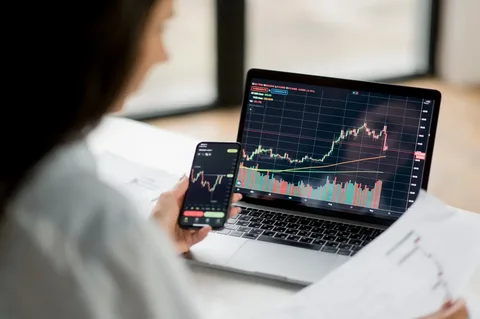
Charts turn large amounts of price information into visual patterns that traders can study easily. Digital platforms commonly offer different chart types, timeframes, drawing tools, and technical indicators, allowing users to customise their analysis to suit their approach.
- Multiple Timeframe Analysis
Viewing an asset across several timeframes can provide a broader perspective. A shorter chart may reveal immediate momentum, while a longer chart can show the wider market structure. Comparing these views can help traders avoid making decisions based only on temporary price movements.
- Technical Indicators
Indicators can help traders examine momentum, volatility, trends, and potential price extremes. Moving averages, Relative Strength Index, and Moving Average Convergence Divergence are examples of tools frequently used to support technical analysis. Their value comes from interpretation, not from simply following every signal they generate.
- Drawing and Annotation Tools
Trendlines, support and resistance zones, channels, and other features allow traders to mark important areas directly on charts. These visual references make a trading plan easier to review and help traders stay consistent when monitoring an asset.
- Customised Chart Layouts
Custom layouts can save time by keeping preferred indicators, timeframes, and chart settings organised. Traders who follow several instruments can create a consistent analytical environment, making it easier to compare market behaviour without rebuilding their workspace repeatedly.
- Price Alerts
Price alerts can notify traders when an asset reaches a predefined level. This can reduce the need to watch charts continuously. Alerts are most useful when they support an existing plan rather than encouraging impulsive decisions.
Execution Tools for More Disciplined Decisions
Analysis becomes actionable when traders can translate a market view into a considered position. Digital trading platforms provide order-management features that can help users define entries, exits, and risk parameters.
Market orders can be used when execution speed is prioritised, while pending orders allow traders to specify conditions for entering a position. Stop-loss and take-profit functions can also help establish predefined exit levels. Understanding how these order types work is important because different market conditions can affect execution and outcomes.
Risk Management Features Within Digital Trading
Trading platforms can provide tools that help users monitor open positions, account balances, margin requirements, and exposure. These features give traders a clearer picture of their current trading activity.
Position sizing is another important consideration. Rather than allowing a single position to dominate an account, traders can determine exposure based on their strategy and risk tolerance. Monitoring margin levels can also help traders recognise when leveraged positions are creating excessive exposure. Digital tools cannot remove market risk, but they can make risk information more visible and easier to manage.
Key Digital Tools for a More Organised Trading Process
Selecting features that support research, analysis, execution, and monitoring can help traders stay organised and make decisions with greater confidence.
- Real-time price quotes and market updates
- Interactive charts with multiple timeframes
- Technical indicators and analytical tools
- Price alerts and custom notifications
- Order-management and risk-monitoring features
Used together, these tools can create a more organised workflow. The objective is not to use every available feature, but to select tools that genuinely support research, planning, execution, and review.
Connecting Research, Analysis, and Execution
The greatest value of digital trading tools comes from using them as parts of one connected process. A trader can begin by reviewing market information, move to charts to examine price behaviour, use indicators to test an observation, and then consider an order based on a predefined plan.
This approach also makes post-trade review easier. Traders can revisit charts, examine entry and exit decisions, and compare outcomes with their expectations. Over time, this process can reveal patterns in decision-making and encourage more consistent trading habits.
Choosing Tools That Match a Trading Approach
Not every trader needs the same combination of digital features. A short-term trader may place greater emphasis on real-time pricing, fast execution, alerts, and detailed charts. Someone taking a longer-term view may focus more on broader market data, historical price information, and fundamental developments.
The key is to choose a platform that provides relevant tools without complicating the process. Ease of navigation, reliable access, available instruments, charting capabilities, order functionality, and account features can all influence the usefulness of a digital trading environment. Traders should also understand the costs, leverage conditions, and risks associated with the products they intend to trade.
Conclusion
Digital trading tools can make market research more structured by bringing price data, charting, analysis, alerts, and execution features into a connected environment. When used thoughtfully, these tools can support clearer decision-making while helping traders maintain greater consistency in their approach.
For traders seeking a technology-focused environment, AngelSky provides access to global financial markets through MetaTrader 5. Its MT5 online trading environment combines charting, market access, analytical tools, and execution in one place. With multiple account options and access to various asset classes, AngelSky offers traders a digital environment to analyse markets and implement their trading strategies.






Recent Comments