




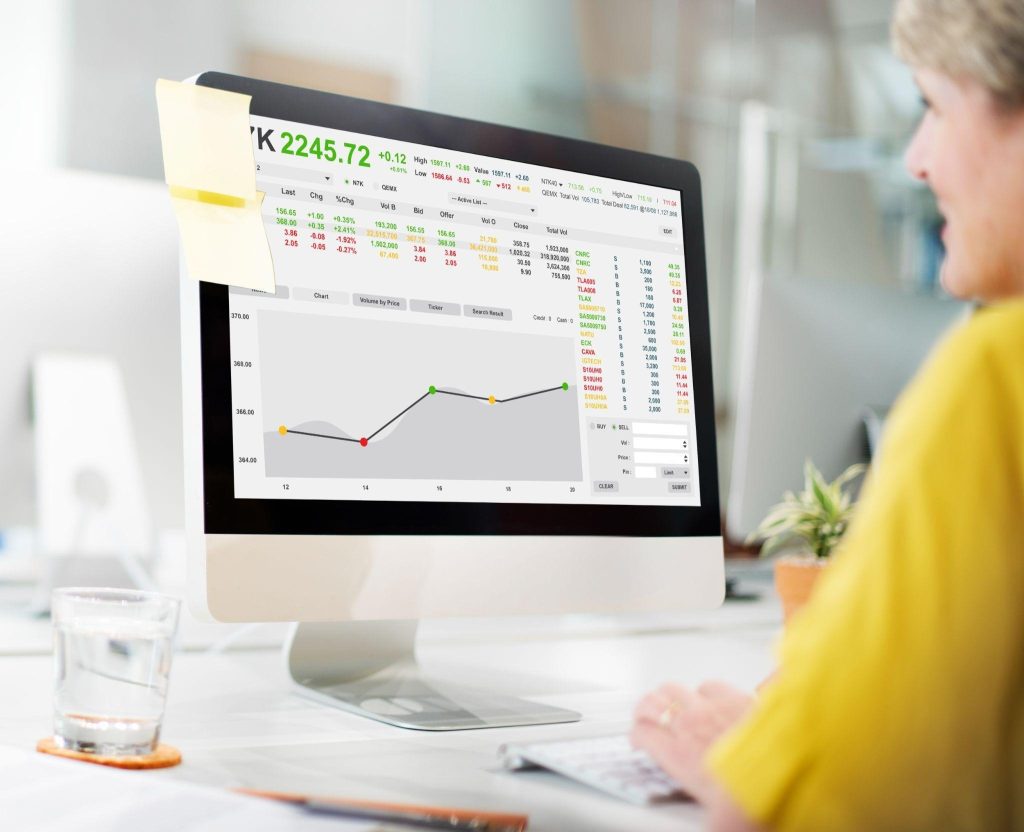
NSE equities provide active market participants with opportunities to study price movements, volume, volatility, and technical patterns during trading sessions. However, intraday trading requires more than identifying short-term momentum. It also involves understanding liquidity, market direction, volatility, and risk before entering a position.
For traders exploring NSE Equities, building a structured approach can be more useful than reacting to every price movement. Market conditions may change because of corporate results, economic data, global developments, sector trends, and investor sentiment. Understanding these influences can help traders develop realistic expectations and focus on clearly defined setups rather than making decisions based solely on sudden price movements.
Market Factors Shaping Intraday Trading Decisions
Intraday opportunities depend on market direction, liquidity, volatility, volume, sector performance, and stock-specific developments.
1. Understanding Market Direction
Broader market trends can influence individual stocks during an intraday session. Traders can monitor benchmark indices, sector movements, opening trends, and global cues before developing a setup. Understanding whether the market is trending, consolidating, or highly volatile can help traders select strategies that match prevailing conditions.
2. Evaluating Trading Volume
Volume provides useful information about market participation and liquidity. Stocks with stronger trading activity may offer easier entry and exit compared with thinly traded counters. Traders can compare price movements with volume to determine whether a breakout, reversal, or continuation pattern is supported by meaningful participation.
3. Watching Price Volatility
Volatility creates opportunities but also increases risk. Strong price movements can produce attractive setups while creating the possibility of rapid losses. Traders should consider a stock’s typical price range when determining position size and stop-loss levels. Higher volatility generally requires greater discipline and careful exposure management.
4. Tracking Sector Performance
Individual stocks can respond strongly to movements within their sectors. Banking, technology, energy, pharmaceutical, and automobile stocks may experience different levels of momentum depending on market conditions. Comparing a stock’s performance with its sector can provide useful context and help traders identify stronger or weaker market participants.
Building Structured NSE Equity Trade Setups
A disciplined approach helps traders evaluate potential entries while avoiding impulsive decisions based solely on sudden price movements.
When assessing NSE Equities, traders can consider:
- Trend: Identify the broader market direction.
- Volume: Check participation behind price movements.
- Support and resistance: Mark important price levels.
- Momentum: Assess the strength of current movement.
- Risk: Establish exit conditions before entering.
- Position size: Keep exposure within planned limits.
These factors can work together to create a clearer decision-making process.
Technical Signals Supporting Intraday Analysis
Technical analysis can help traders interpret short-term price behavior. Moving averages, support and resistance zones, trendlines, candlestick patterns, and momentum indicators can provide additional context when evaluating potential setups.
1. Support and Resistance
Support and resistance levels can identify areas where buying or selling pressure may increase. A breakout above resistance may indicate stronger momentum, while rejection from a significant level can suggest weakness. Traders can combine these levels with volume and market direction.
2. Moving Averages
Moving averages can help identify trends and smooth short-term price fluctuations. Comparing different averages may provide insight into momentum or potential trend changes. However, moving averages work best when combined with price action and other market information rather than being treated as standalone signals.
3. Breakout Confirmation
Breakouts can attract intraday traders because they may indicate changing market sentiment. However, false breakouts are common. Checking volume, price closure, market direction, and follow-through can provide stronger confirmation before entering a trade.
4. Momentum Analysis
Momentum indicators can help traders determine whether price movement is strengthening or weakening. Strong momentum may support continuation setups, while weakening momentum can signal a possible reversal. Such indicators should complement broader analysis rather than replace it.
Risk Management in Intraday Equity Trading
Risk management remains an essential part of intraday trading. Traders can determine the maximum acceptable loss before entering a position and establish stop-loss levels accordingly. Position size should consider the distance between entry and planned exit rather than simply relying on available capital.
Predefined risk limits can also reduce emotional decision-making. Traders may be tempted to hold losing positions when prices move against expectations. A structured exit plan can help prevent one unsuccessful trade from having an excessive impact on overall trading capital.
Leverage and margin also require careful consideration. Greater exposure can amplify both gains and losses, making appropriate position sizing particularly important. A trading plan should account for total exposure, transaction costs, volatility, and available capital.
Creating a Disciplined Trading Routine
A consistent routine can help traders approach each session with clearer expectations. Before the market opens, they can review global cues, overnight developments, economic announcements, corporate news, and significant technical levels. During the session, focusing on selected setups can reduce unnecessary reactions to short-term market noise.
Post-market analysis is equally valuable. Reviewing completed trades can highlight recurring mistakes and areas for improvement. Recording entry reasons, exit decisions, position size, market conditions, and outcomes can help traders determine whether their strategy is being followed consistently.
Selecting Stocks for Intraday Opportunities
There is no permanent list of the Best Stocks for Intraday Trading Today because liquidity, volume, news, volatility, and price behavior change between sessions. Instead of relying on a fixed list, traders can screen stocks using measurable criteria.
High-volume stocks may be useful because stronger liquidity can support smoother execution. Traders can also examine price range, relative volume, sector strength, technical levels, and recent company developments before creating a daily watchlist.
Conclusion
Intraday trading in Indian equities requires market awareness, technical analysis, liquidity assessment, disciplined execution, and effective risk management. Rather than attempting to predict every short-term movement, traders can focus on clearly defined setups supported by price action, volume, market direction, and relevant information.
For traders seeking a structured market-access environment, Flow FX provides access to equity markets and tools designed to support market analysis, portfolio monitoring, execution, and risk management. Their platform can support traders looking to organize their market activity while evaluating opportunities across different financial instruments. A defined trading plan combined with appropriate tools can help market participants approach intraday trading with greater structure and awareness.




Recent Comments